
So your family has land in the Philippines? Now what? 🌾
Hi friends,
“We have land in the Philippines.”
How many of us have heard some version of this from our families?
But then if someone asked us…
Where exactly is it?
Who lives on it or takes care of it?
What is it actually being used for?
Whose name is on the title?
What is our family’s history with it?
And where do we fit into that story now?
…how much would we actually know?
Inside Chrysalis Kali Collective, we meet twice a month—once to train Filipino Martial Arts together, and once for what I call our Decolonization Dojo, where we explore different parts of our history, identity, culture, and what it means to reconnect from the diaspora.
And for our next conversation on Tuesday, October 6 at 6:30pm ET, I’m really excited to welcome our very first guest, Nicole Reyes!
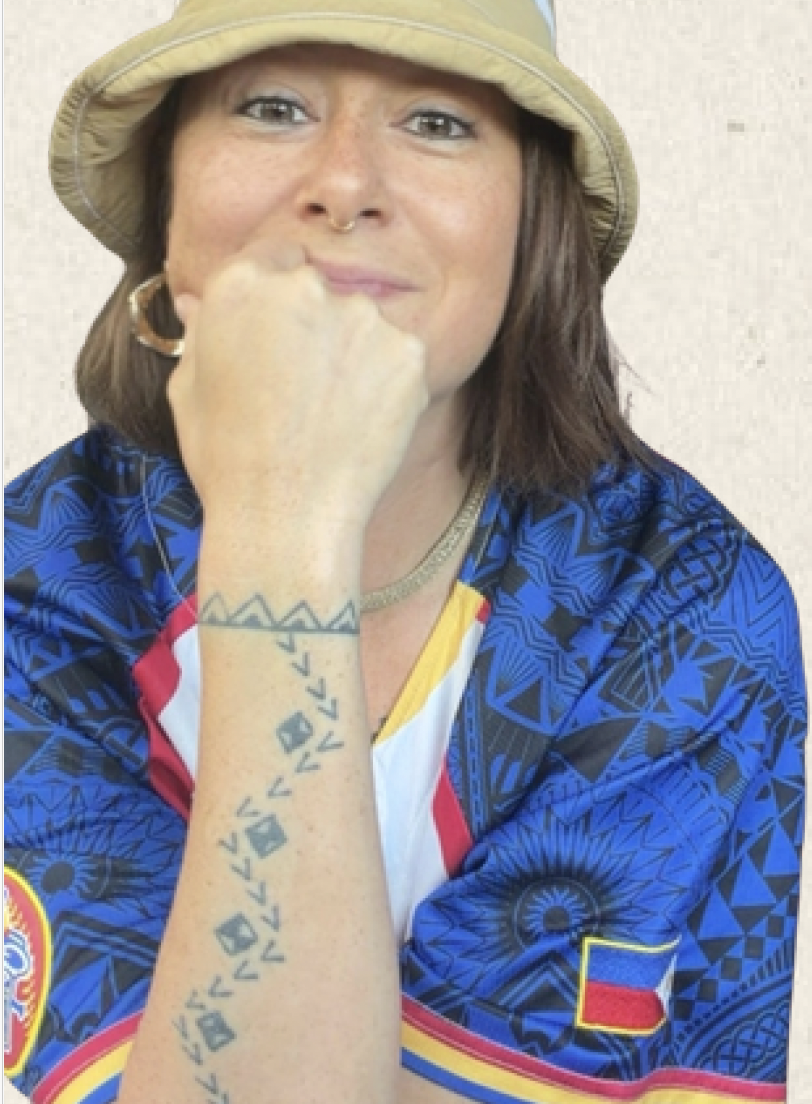
Nicole is a mixed Filipina who, like many of us in the diaspora, has been exploring her own relationship to Filipinx identity, belonging, family, and the Philippines.
That journey eventually brought her quite literally back to the land.
Nicole discovered that her family has had a sugarcane farm in Batangas for more than 100 years, along with histories of family land in Cavite and on her grandmother’s side. As she began visiting these places, meeting family, and piecing together their histories, she also started asking a much bigger question:
What does it mean to have family land in the Philippines when you’ve grown up far away from it—and how do we begin to understand what our relationship to that land even is?
That question led her to create “We Have Land in the Philippines”: An Ancestral Land Starter Guide, a framework for beginning to understand not only the practical realities of family land—titles, taxes, tenants, inheritance, what is physically there—but also the family stories, relationships, disagreements, memories, and hopes attached to it.
You can sign up for Nicole’s free guide here.
Because when we’ve grown up in the diaspora, our relationship to land in the Philippines can be complicated.
Land can feel nostalgic. Romantic. Symbolic. It can get wrapped up in our longing for home, our search for identity, and our desire to feel connected to a place we weren’t necessarily raised in.
But underneath all of that meaning is an actual piece of land.
A physical place with its own history, boundaries, documents, and uses. With family members and other people who may already live on it, work it, and care for it.
That’s some of what Nicole and I are going to explore together on October 6: her evolving relationship to her Filipinx identity and sense of belonging, what brought her back to her family’s land, what she discovered along the way, and why she created this guide.
And because doors to Chrysalis Kali Collective are open right now, if this is a conversation you’d like to be part of, you can join us.
You might have family land you’ve never seen or know very little about. There might be complicated family dynamics around inheritance and ownership. Or perhaps your family no longer has that land at all, and what you inherited instead was the story of it—or a feeling of loss or longing for a place you’ve never actually known.
Wherever you are in your relationship to your family’s land—or the stories, questions, and feelings around it—you’re welcome to bring all of that into the conversation.
Our Relationship to Ancestral Land with Nicole Reyes
Tuesday, October 6
6:30pm ET / 3:30pm PT
Live inside Chrysalis Kali Collective online membership
JOIN CHRYSALIS KALI COLLECTIVE
YOU ARE ELEMENTAL REPLAY
Doors are open through October 12.
Ingat,
Guro Kristen